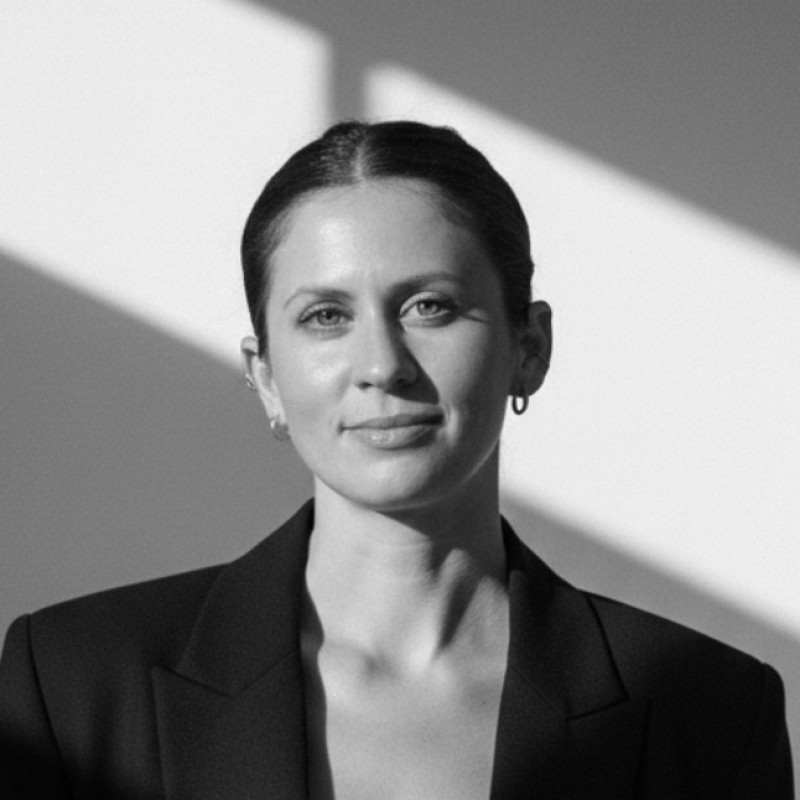
I design and direct AI avatars built for real production use: UGC-style ads, product explainers, onboarding, and training. The output ships with natural gesture, emotional delivery, and multilingual performance that holds up under scrutiny.

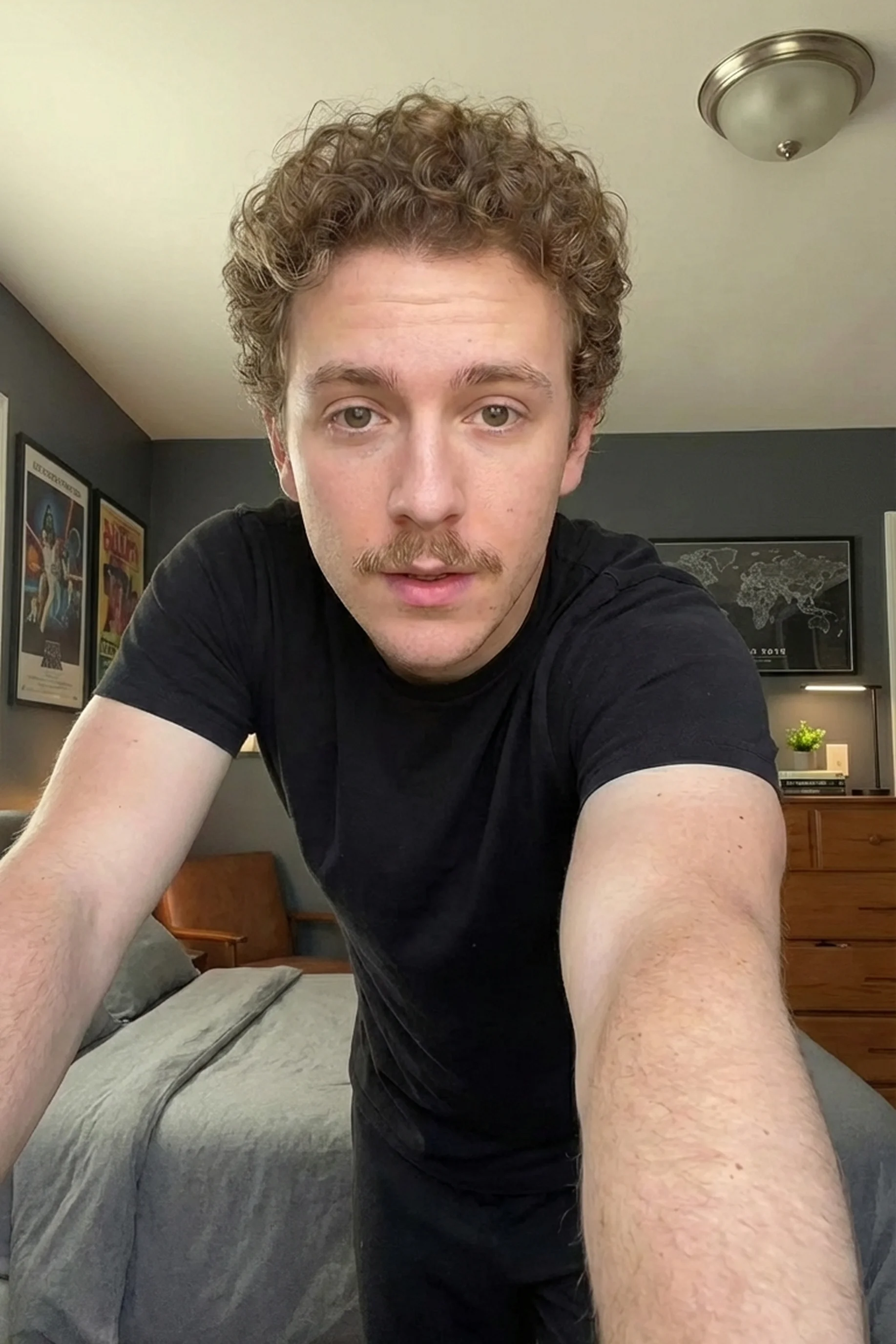

Most AI avatars don’t fail technically, they fail emotionally. They look synthetic because:
The issue isn’t realism. It’s direction.
I don’t treat AI avatars as generators. I treat them as performers inside a creative system. The work focuses on:
Each avatar is designed to feel believable on first impression.
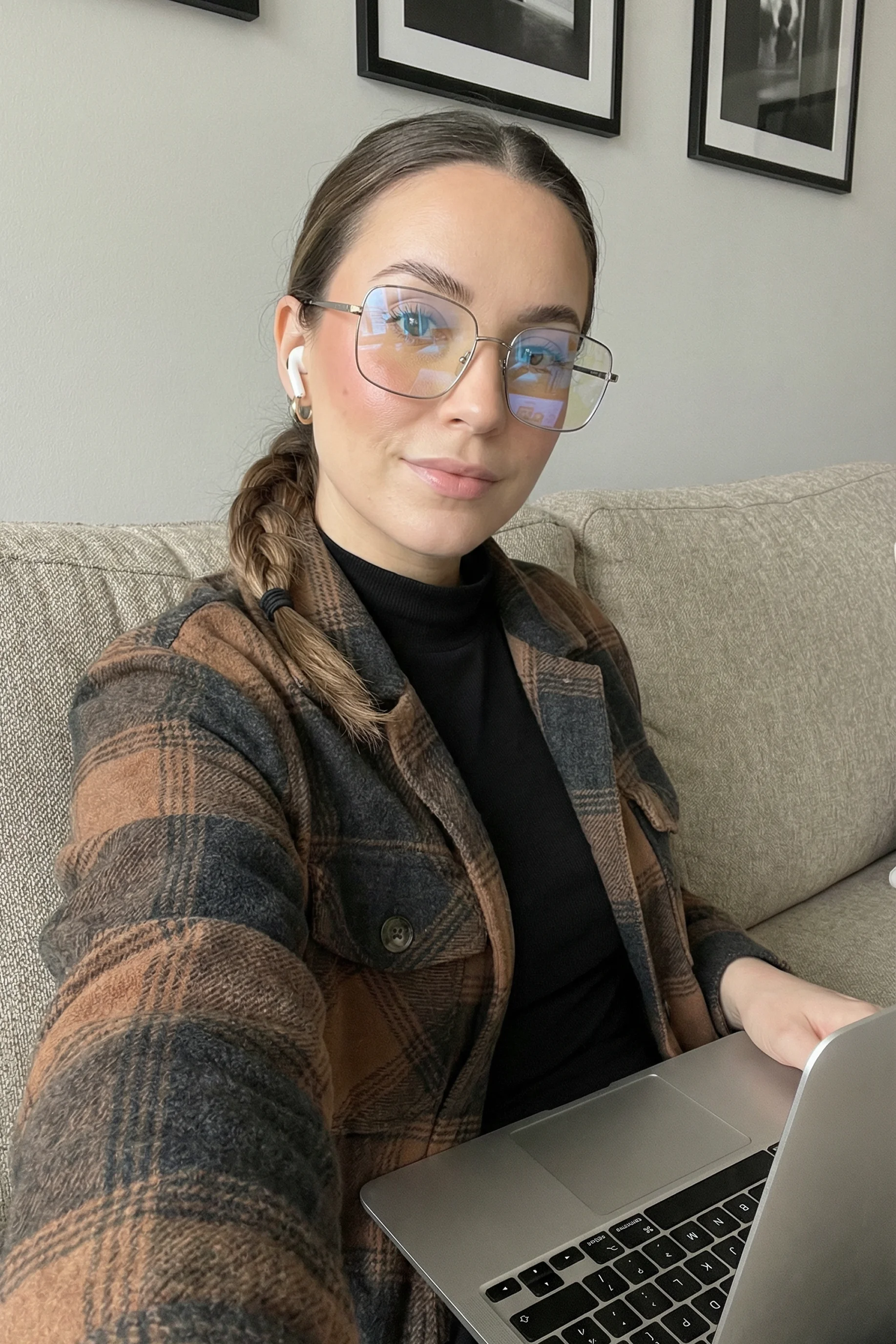


What you’re seeing isn’t just a good render, it’s a controlled system:
Realism comes from constraints, not excess detail.
These AI avatars are production-ready for:
Same avatar system. Different intent.
Six examples of hyper-realistic AI avatars generated from the same core system, across different scenes.
AI doesn't replace creative work. It replaces the parts of the workflow that were always fragile: casting, reshoots, localization, scale.
What it can't replace is direction. That's the work.