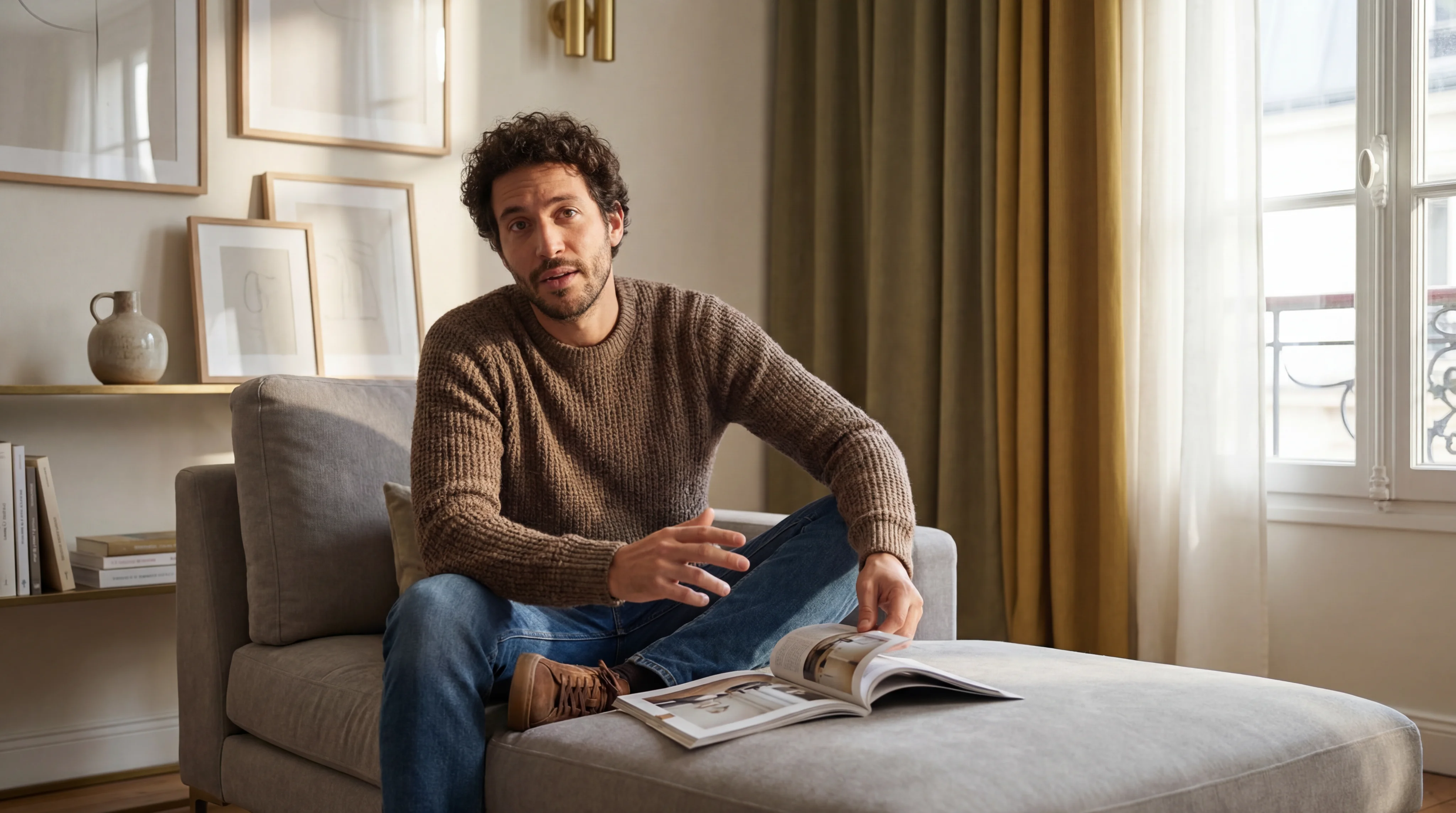
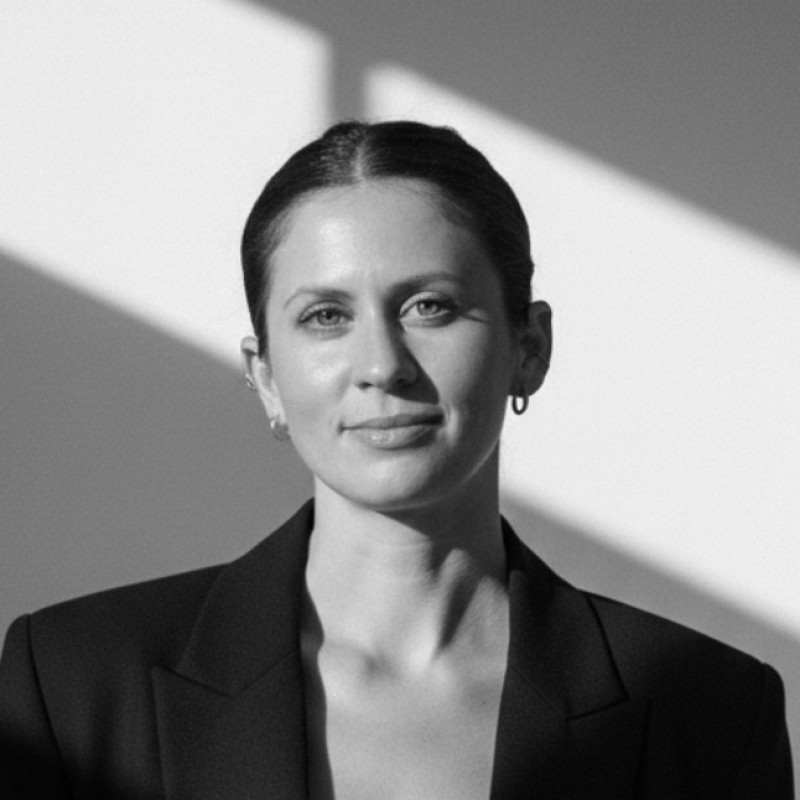
AI Santa was designed and produced in CreatorKit, where I led all AI-driven creative work, including avatar design, visual language, and storytelling. In collaboration with my team, we then built the automation system that transformed the concept into a scalable, personalized video experience.
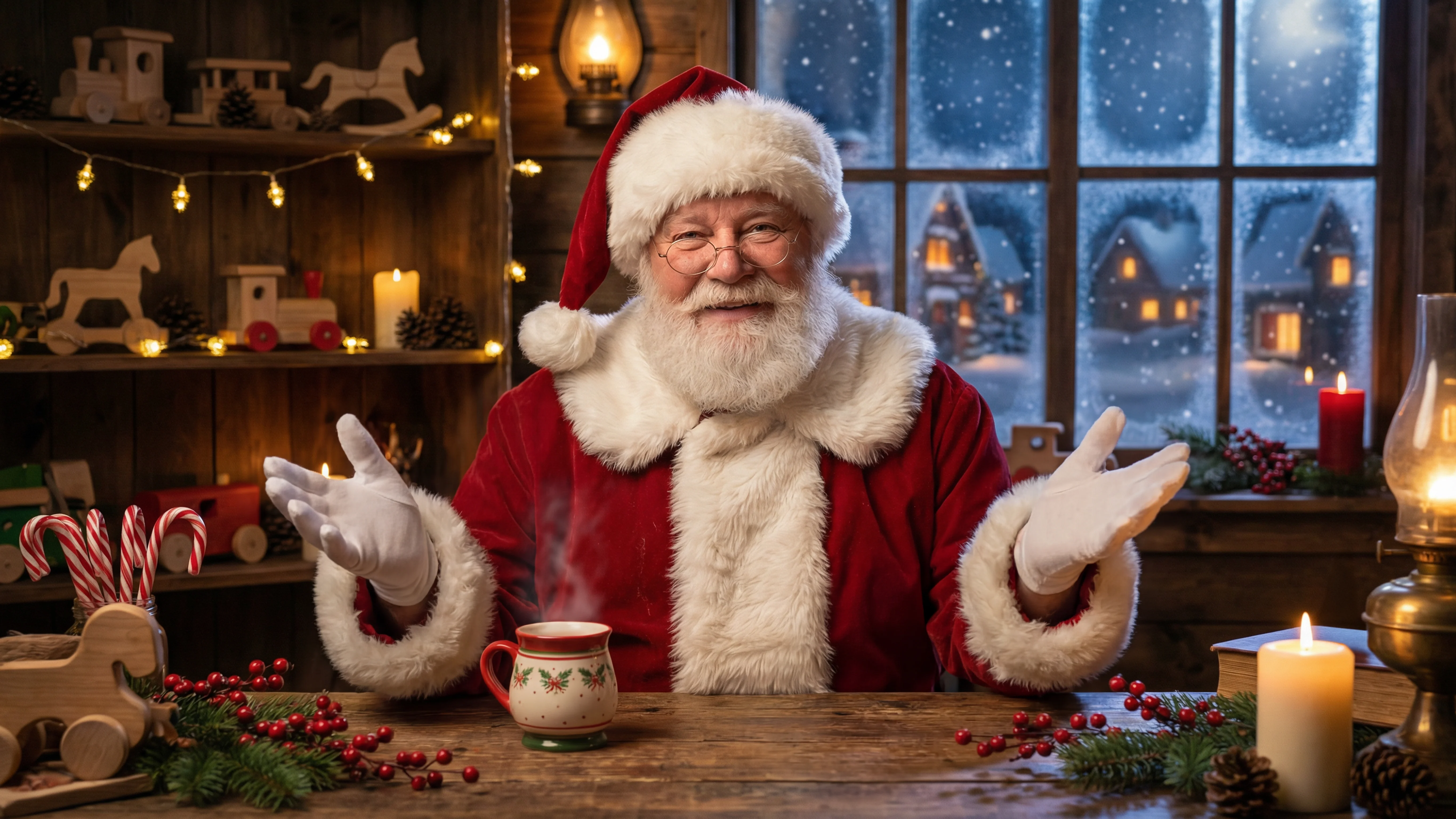
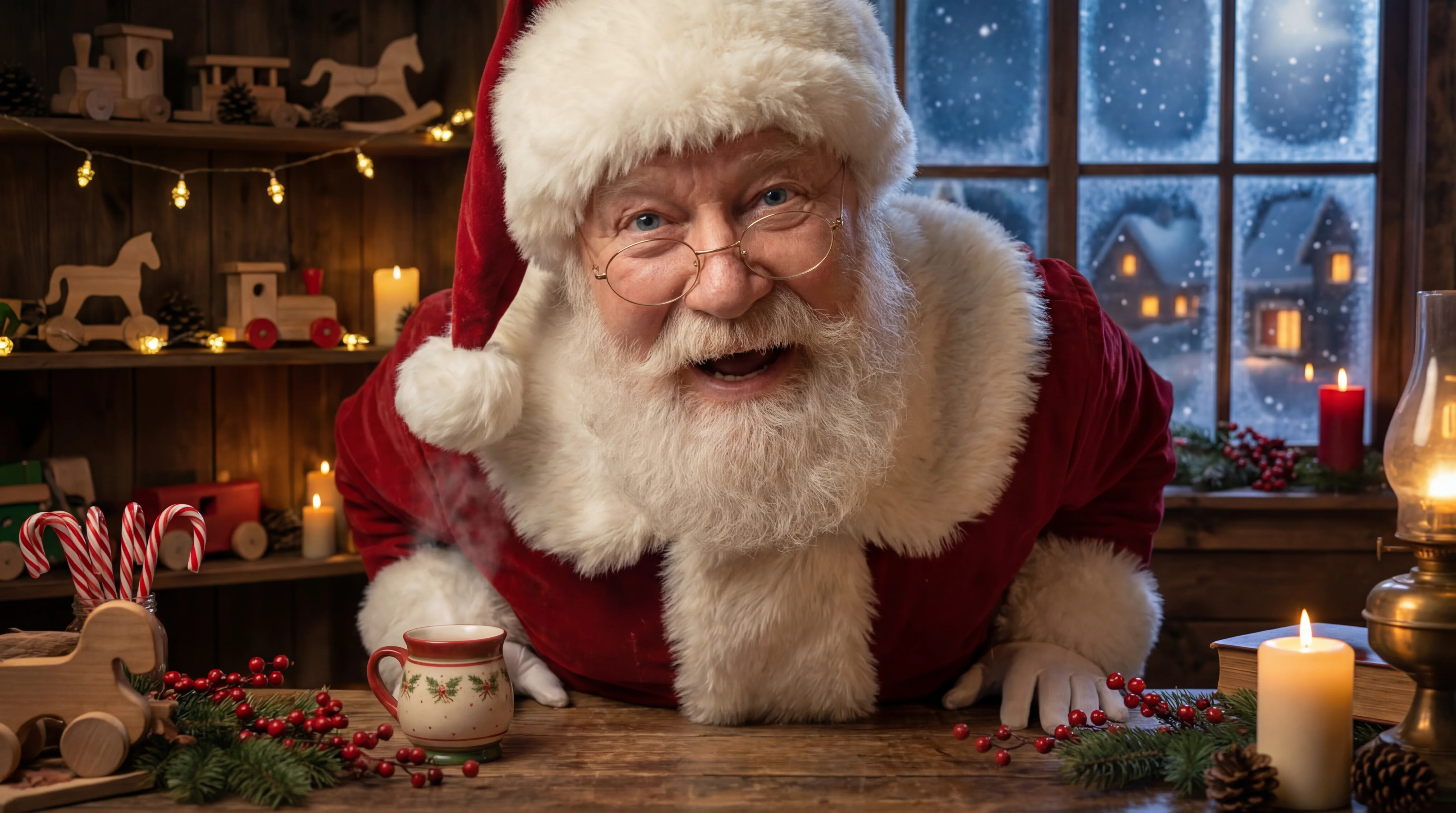
This project evolved across two iterations. Each revealing something different about AI, realism, and audience behavior.
The first version of AI Santa leaned more visibly into novelty.
Despite its limitations, it went viral.
The concept felt magical precisely because it wasn't perfect. Users forgave the AI's quirks, even delighted in them, because the novelty of talking to an AI Santa amplified the experience.
For the 2025 version, we rebuilt the system using:
From a creative and technical perspective, this version was objectively better, but it did not go viral.
This experiment challenged the assumption that higher realism automatically leads to stronger engagement. While the 2025 version delivered objectively improved facial realism and performance, the earlier iteration resonated more due to its novelty and clarity as an AI-driven experience.
Audience perception, context, and expectation often matter more than technical perfection. Designing AI content requires balancing realism with intentional signals of artificiality, especially when novelty itself is part of the value.